Paludi (Calabria): A Silan village amidst archaeological mysteries and the landscapes of the Sila Greca
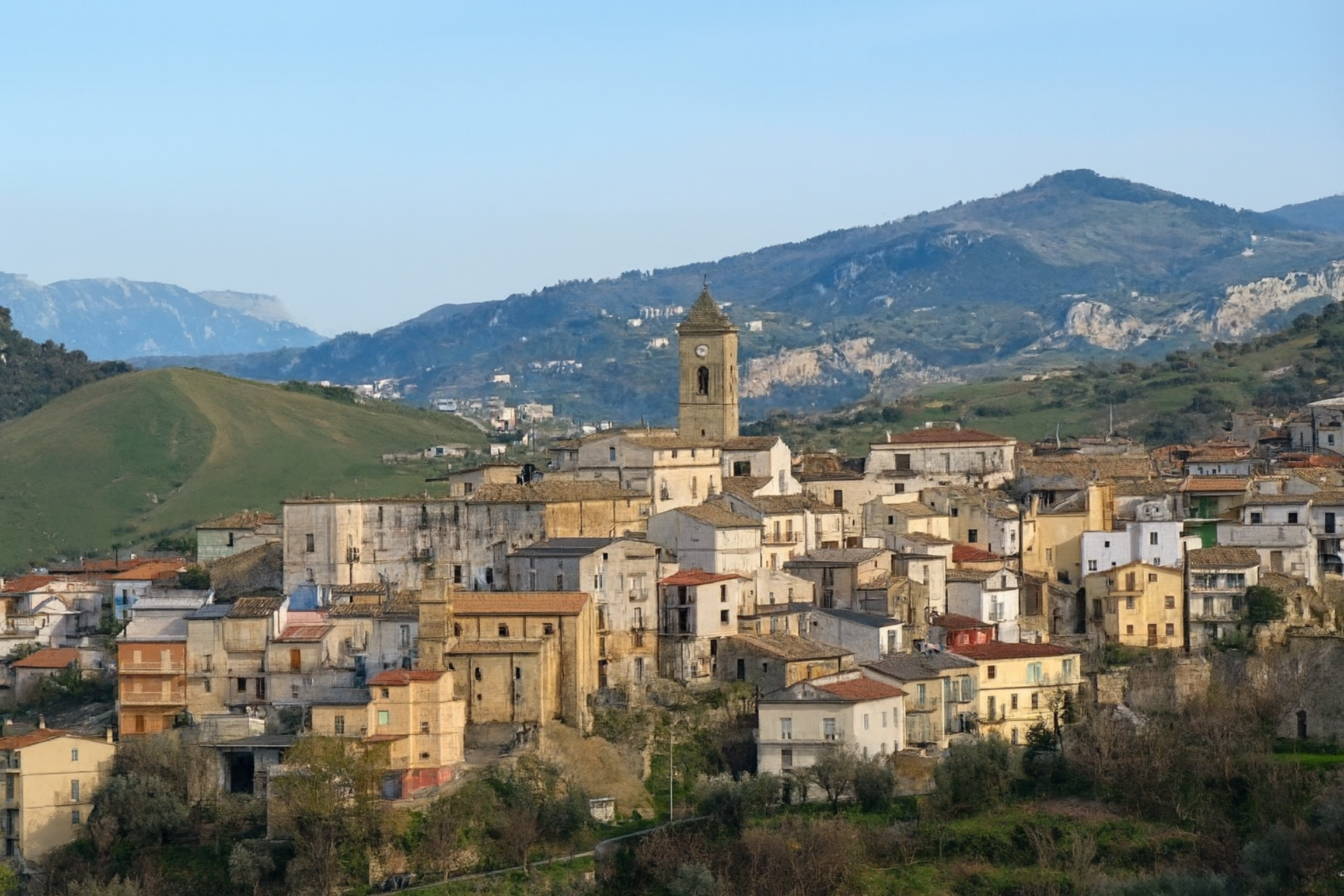
Paludi is a small and charming municipality in the province of Cosenza, located in the Sila Greca area, approximately 600 meters above sea level. Nestled in an area rich in history and nature, Paludi is best known for its extraordinary archaeological site: Castiglione di Paludi, one of the most important Brettii settlements in Calabria.
The village of Paludi has very ancient roots. The area was inhabited by the Brettii, an Italic population who dominated central and northern Calabria before the arrival of the Romans.
The current town arose in the Middle Ages, developing around small rural settlements. Over the centuries, it has remained a secluded place, preserving an authentic atmosphere and a strong community identity. The name “Paludi” may derive from ancient wetlands present in the area, now completely disappeared.
The greatest treasure of the area is undoubtedly Castiglione di Paludi, an impressive and well-preserved archaeological site located on a panoramic hill.
The site includes:
- a monumental city wall with megalithic blocks
- perfectly recognizable entrance gates
- remains of dwellings, roads, and defensive structures
- traces of a complex urban organization
It is one of the best-preserved examples of a Brettii fortified city, which can be visited via guided tours and nature trails.
Nature and Landscape
The nature is quiet and wild, ideal for those who love uncrowded places. Paludi is nestled in a tranquil and pristine environment with oak and chestnut forests and Mediterranean scrub, hills and valleys descending towards the Ionian plain, evocative views of the Sila Greca, and numerous trails perfect for trekking, hiking, and mountain biking.
Cultural and Religious Heritage
The village retains a simple and authentic atmosphere. In and around the historic center, there are small but important points of interest:
- The Church of San Silvestro, the main religious building
- Narrow alleys and stone houses typical of Sila villages
- Small chapels and rural places of worship
- Panoramic views that tell the story of the area's agricultural history
Gastronomy and Traditions
The town's cuisine reflects the rural traditions of the Sila Greca, with homemade bread and baked goods, traditional pasta such as lagane and maccheroni, Sila mushrooms and wild vegetables, local meats and cheeses, and traditional desserts associated with religious holidays.
Patron saint festivals and popular traditions keep the village's community spirit alive.