Campana: il paese delle sculture di pietra e della Sila Greca
Campana è un suggestivo comune della provincia di Cosenza, situato nella zona della Sila Greca, a circa 600 metri di altitudine. Si trova al centro di un territorio ricco di storia, natura e mistero, affacciandosi sulla valle del fiume Nicà e offrendo panorami che spaziano fino al Mar Ionio.
È noto soprattutto per le celebri Sculture di Pietra della Sila, due enigmatiche strutture megalitiche che attirano studiosi, appassionati e turisti.
Campana vanta origini antichissime e ancora in parte avvolte nel mistero. Secondo alcune teorie, il territorio fu frequentato già in epoca enotria e brettia, mentre l’attuale nucleo urbano si sviluppò in epoca medievale.
Le origini del nome sono state oggetto di varie interpretazioni: dal significato di “campo”, alla possibile derivazione dal greco kampo, fino a leggende legate alla presenza dei monaci basiliani. Nel corso dei secoli il borgo ha mantenuto una forte identità rurale e comunitaria, con tradizioni ancora vive.
Il monumento naturale più famoso del territorio sono le Sculture di Pietra: il “Gigante”, una figura antropomorfa alta circa 7 metri, e il “Cavallo”, una figura zoomorfa scolpita nella roccia. Le loro origini restano misteriose: c’è chi le considera opere naturali modellate dagli agenti atmosferici, chi le ritiene sculture realizzate dai Brettii o da popolazioni preistoriche.
Il borgo fantasma della Sila
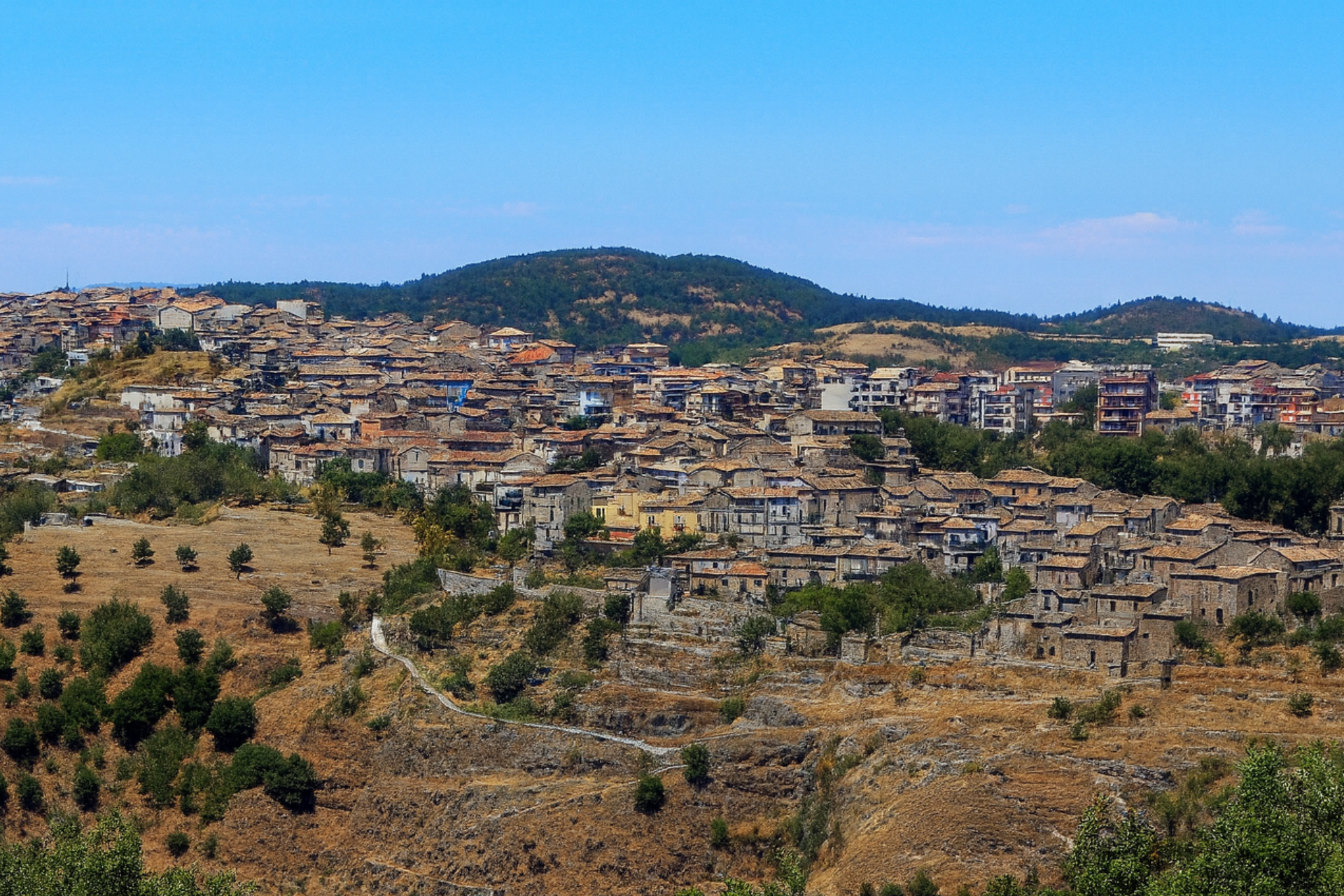
Campana viene definito “il borgo fantasma della Sila” perché una parte molto antica del paese, il nucleo originario chiamato spesso Campana Vecchia o Rione Santo Stefano, è oggi completamente abbandonata e conserva un’atmosfera sospesa, quasi irreale. Si tratta della zona più antica del borgo, costruita in pietra e arroccata su un costone scosceso. Nel corso del Novecento, soprattutto tra gli anni Cinquanta e Settanta, molti abitanti lasciarono queste case antiche per trasferirsi nelle aree più nuove e comode del paese o per emigrare. Le abitazioni, già vecchie e difficili da mantenere, vennero così abbandonate una dopo l’altra, fino a trasformare l’intero quartiere in un luogo silenzioso e vuoto.
Oggi, passeggiare tra quei vicoli significa immergersi in uno scenario fatto di muri scoperchiati, archi spezzati, strette stradine invase dalla vegetazione e resti di case che sembrano ferme da secoli. L’aspetto è potentemente evocativo: il tempo sembra essersi ritirato, lasciando dietro di sé solo tracce di vita, come se il borgo fosse stato improvvisamente congelato. Questo insieme di rovine e silenzi ha alimentato l’immagine di Campana come “borgo fantasma”, un luogo che custodisce la memoria di ciò che è stato e che continua a vivere solo attraverso le sue pietre.
A rafforzare questa percezione contribuisce anche il contesto naturale che circonda Campana, un paesaggio aspro e antico, segnato dalle forme scolpite della Sila Greca e dalle enigmatiche sculture megalitiche del “Gigante e Cavallo”, che aggiungono un tocco di mistero e arcaicità all’intero territorio. Pur essendo un paese pienamente vivo nella sua parte moderna, Campana porta con sé questa doppia anima: da un lato il presente di una comunità attiva, dall’altro un frammento di passato che sopravvive come un borgo silenzioso, fermo nel tempo, che affascina e incuriosisce chi lo visita.
Natura e paesaggi
Campana è immersa in un contesto naturalistico di grande valore: boschi di castagni, querce e pini, altipiani della Sila Greca, vallate e punti panoramici sullo Ionio, aree perfette per trekking e percorsi naturalistici
I dintorni regalano un ambiente ideale per chi ama la natura, la fotografia paesaggistica e il turismo lento.
Nel borgo e nei dintorni si trovano diversi punti di interesse:
- Chiesa Madre di Santa Maria delle Grazie, risalente al XVI secolo
- Chiesa dell’Assunta
- Centro storico, con case in pietra e viuzze strette
- Resti e testimonianze della tradizione basiliana
- La zona archeologica delle sculture rupestri
Tradizioni e gastronomia
Campana ha una ricca tradizione gastronomica legata ai prodotti della Sila Greca: funghi porcini, carni e salumi locali, pasta fatta in casa come riganati, tagliatelle e lagane, oltre a dolci tradizionali, olio, vino e miele di produzione locale.
Le feste religiose e popolari — tra cui quelle dedicate alla Madonna delle Grazie e a San Domenico — sono momenti molto sentiti dalla comunità.